

9/19 TML-1216103
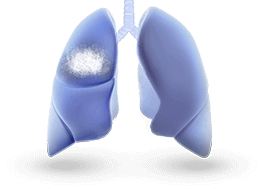
ONCOGENIC DRIVERS ARE CONSIDERED PREDICTIVE BIOMARKERS IN NSCLC
BRAF V600E
IS AN ACTIONABLE TARGET IN METASTATIC NSCLC

THE FIRST AND ONLY
FDA-APPROVED targeted
combination therapy for patients
with metastatic NSCLC with
BRAF V600E mutation
Today >
INDICATION AND IMPORTANT SAFETY INFORMATION
TAFINLAR® (dabrafenib) capsules, in combination with MEKINIST® (trametinib) tablets is indicated for the treatment of patients with metastatic non-small cell lung cancer (NSCLC) with BRAF V600E mutation as detected by an FDA-approved test.
Limitation of Use:
TAFINLAR is not indicated for the treatment of patients with wild-type BRAF NSCLC.
IMPORTANT SAFETY INFORMATION
- New primary malignancies, cutaneous and noncutaneous, can occur when TAFINLAR is administered as a single agent or with MEKINIST. In the NSCLC study, cutaneous squamous cell carcinoma (cuSCC) occurred in 3.2% of patients receiving TAFINLAR with MEKINIST. Perform dermatologic evaluations prior to initiation of therapy, every 2 months while on therapy and for up to 6 months following discontinuation of the combination.
- TAFINLAR can cause paradoxical tumor growth in patients with BRAF wild-type tumors. Confirm evidence of BRAF V600E or V600K mutation status prior to initiation of therapy.
- Hemorrhages, including major hemorrhages defined as symptomatic bleeding in a critical area or organ, can occur. In the NSCLC study, fatal hemorrhagic events occurred in 2.2% of patients receiving TAFINLAR with MEKINIST.
- Colitis and gastrointestinal perforation, sometimes fatal, can occur. Across clinical trials of MEKINIST, colitis occurred in 0.6% of patients and gastrointestinal perforation occurred in 0.3% of patients, respectively.
- In the NSCLC study, deep venous thrombosis (DVT) and pulmonary embolism (PE) occurred in 4.3% of patients receiving TAFINLAR with MEKINIST. Advise patients to seek medical care immediately if they develop symptoms of DVT or PE, such as shortness of breath, chest pain, or arm or leg swelling.
- Cardiomyopathy, including cardiac failure, can occur. In the NSCLC study, cardiomyopathy, defined as a decrease in left ventricular ejection fraction (LVEF) below the institutional lower limit of normal (LLN) with an absolute decrease in LVEF >10% below baseline, occurred in 9% of patients receiving TAFINLAR with MEKINIST. Assess LVEF with an echocardiogram or a multigated acquisition (MUGA) scan before initiation of therapy, 1 month after initiation, then at 2- to 3-month intervals while on treatment.
- Ocular toxicities, including retinal vein occlusion (RVO), retinal pigment epithelial detachment, and uveitis can occur with TAFINLAR and MEKINIST. RVO may lead to macular edema, decreased visual function, neovascularization, and glaucoma.
- Interstitial lung disease or pneumonitis can occur in patients treated with TAFINLAR and MEKINIST. In the NSCLC study, 2.2% of patients receiving TAFINLAR with MEKINIST developed pneumonitis.
- In patients treated with the combination in the metastatic melanoma studies, the incidence of fever was 54% and serious febrile reactions or fever of any severity complicated by severe rigors or chills, hypotension, dehydration, renal failure, or syncope occurred in 17%.
- Serious skin toxicity can occur. In the COMBI-d study, the overall incidence of any skin toxicity was 55% for patients receiving the combination. Across clinical trials of the combination in unresectable or metastatic melanoma, serious skin toxicity occurred in 0.7% of patients.
- Hyperglycemia requiring an increase in the dose or initiation of insulin or oral hypoglycemic agent therapy can occur in patients treated with TAFINLAR and MEKINIST. Monitor serum glucose levels upon initiation, and as clinically appropriate in patients with preexisting diabetes or hyperglycemia.
- Closely monitor patients with glucose-6-phosphate dehydrogenase (G6PD) deficiency, as TAFINLAR confers a potential risk of hemolytic anemia in these patients.
- TAFINLAR and MEKINIST can cause fetal harm when administered to a pregnant woman.
- In the NSCLC clinical trial, the most commonly occurring adverse reactions (≥20%) in patients receiving the combination were pyrexia (55%), fatigue (51%), nausea (45%), vomiting (33%), diarrhea (32%), dry skin (31%), decreased appetite (29%), edema (28%), rash (28%), chills (23%), hemorrhage (23%), cough (22%), and dyspnea (20%). The most common grade 3 or 4 adverse reactions (incidence ≥2%) were pyrexia (5%), fatigue (5%), dyspnea (5%), hemorrhage (3.2%), rash (3.2%), vomiting (3.2%), and diarrhea (2.2%).
- The other clinically important adverse reactions observed in ≤10% of patients with NSCLC receiving the combination were pancreatitis and tubulointerstitial nephritis.
- In the NSCLC clinical trial, the most common treatment-emergent laboratory abnormalities occurring at ≥20% of patients receiving the combination were hyperglycemia (71%), increased blood alkaline phosphatase (64%), increased aspartate aminotransferase (AST) (61%), hyponatremia (57%), leukopenia (48%), anemia (46%), neutropenia (44%), lymphopenia (42%), hypophosphatemia (36%), increased alanine aminotransferase (ALT) (32%), and creatinine (21%). The most common grade 3 or 4 laboratory abnormalities (incidence ≥10%) were hyponatremia (17%), lymphopenia (14%), and anemia (10%).
Please see full Prescribing Information for TAFINLAR and full Prescribing Information for MEKINIST.